











































































Best shoes for walking: How to choose a model that supports your health
Do your feet feel sore after a long day at work? Do you feel pressure in your heels or in the front part of your feet? If you spend long hours on your feet, the right footwear is not a minor detail, but the foundation of comfort and proper care for your health.
Quality walking shoes can significantly reduce fatigue, improve stability, and relieve pressure on your knees and spine. That is why your choice should not be based on appearance alone, but above all on construction, materials, and functional features.
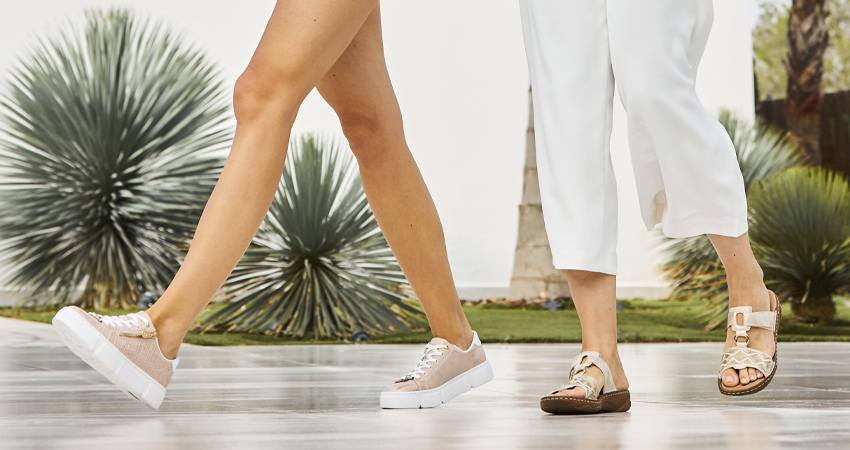
Why the right walking shoes matter
As we get older, the flexibility of ligaments and the sensitivity of the feet change. Shoes that felt perfectly fine a few years ago may no longer provide enough comfort or support today.
Good walking shoes should:
- respect the natural shape of the foot,
- provide proper arch support,
- absorb impact in the heel area,
- feature a flexible yet stable sole,
- allow a natural heel-to-toe roll.
A hard, stiff sole without cushioning puts unnecessary strain on the joints and lower back. If your feet hurt in the evening, the problem is often not the length of the walk itself, but poorly chosen footwear.
Women’s walking shoes: comfort without compromise
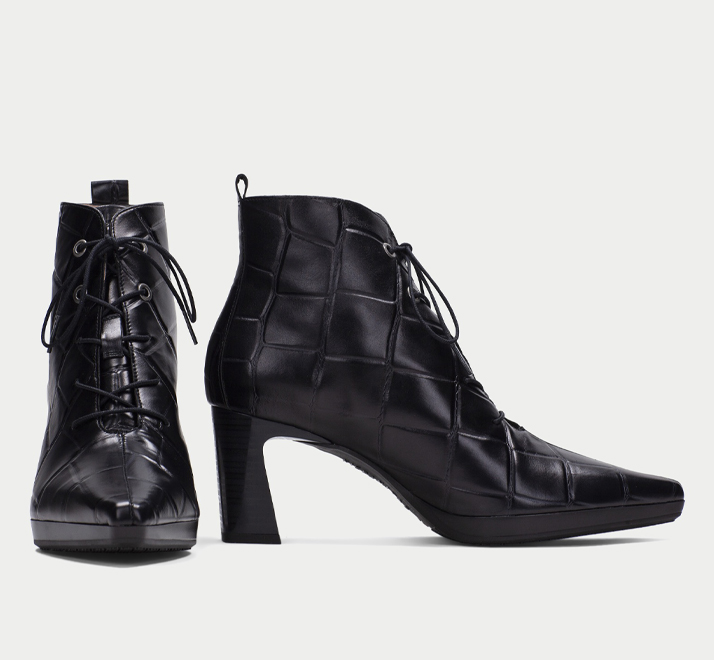
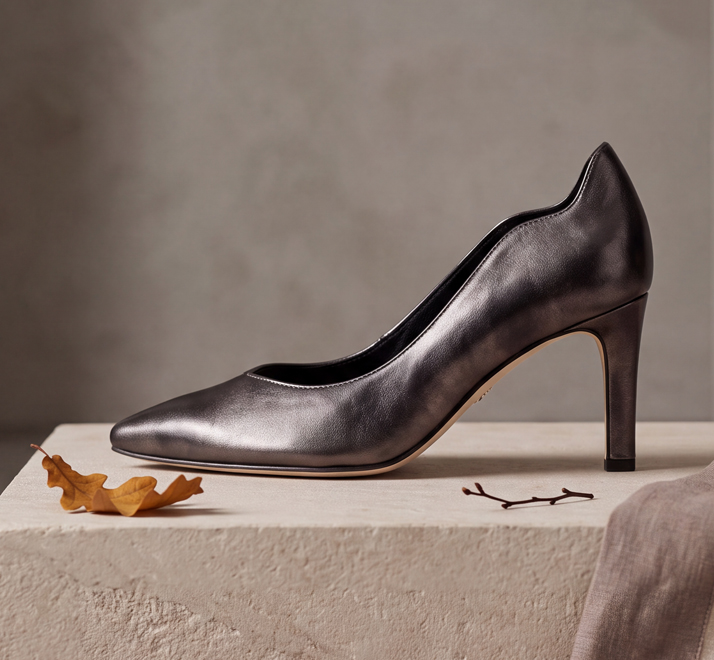
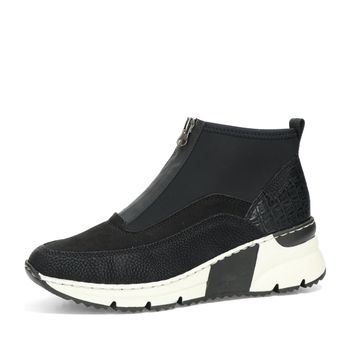
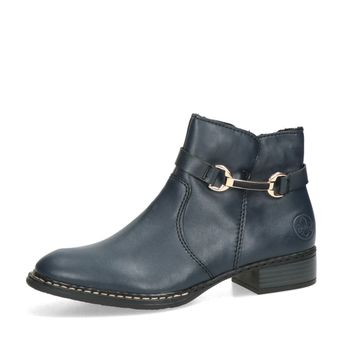
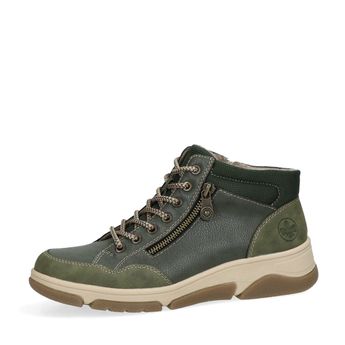
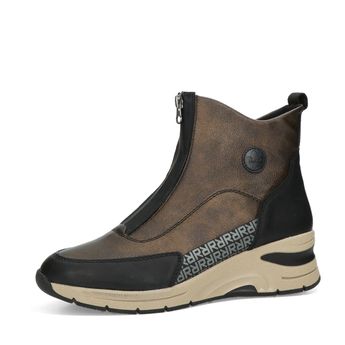
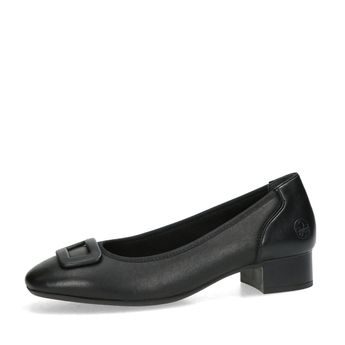
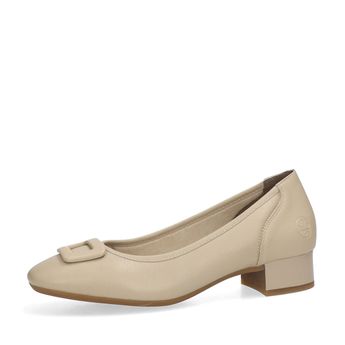
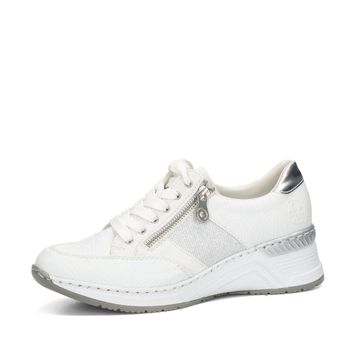
A woman’s foot is often narrower in the heel and wider in the forefoot. Many women also deal with foot sensitivity, swelling, or hallux valgus. That is why it is worth choosing women’s walking shoes with a soft insole, enough room for the toes, and a quality midsole.
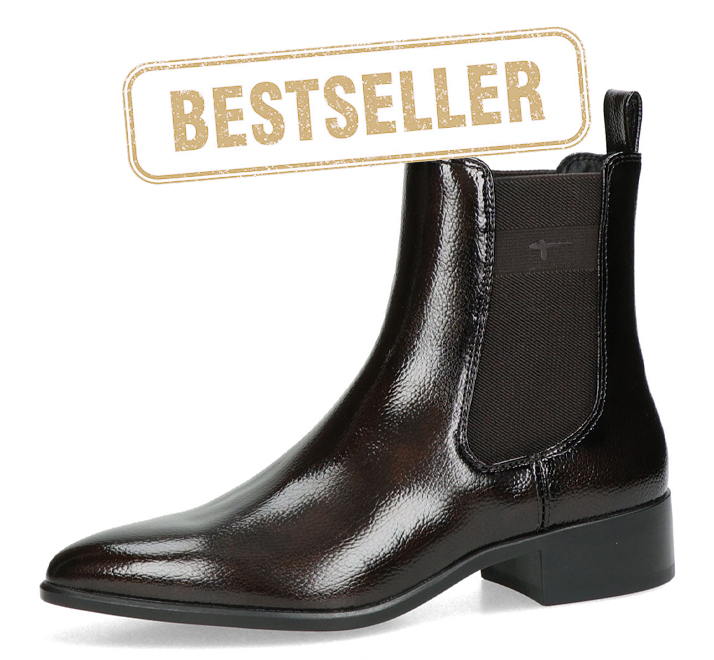
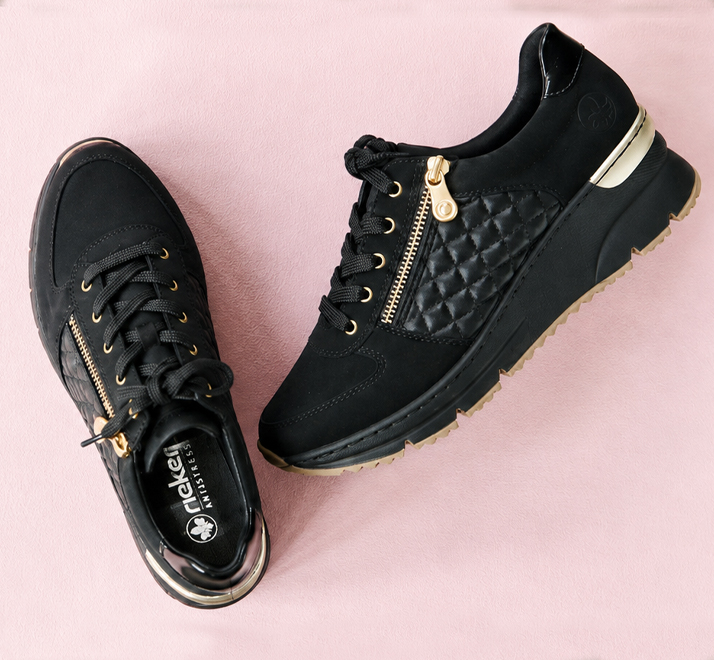
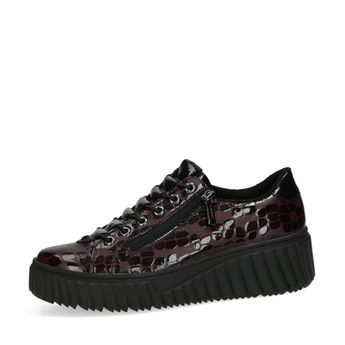
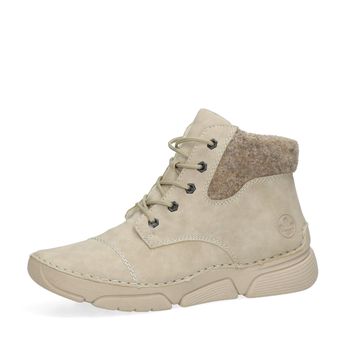
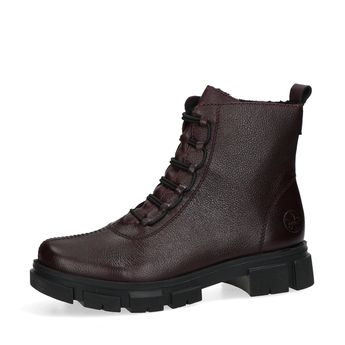
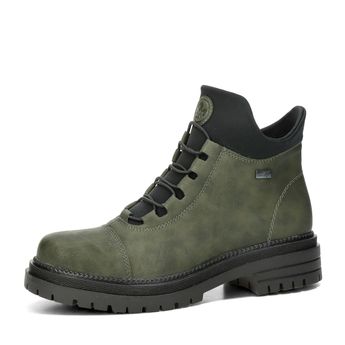
If you are looking for the best women’s shoes for walking, focus on models that combine comfort with a polished appearance. This type of footwear works not only for work, but also for city walking, daily errands, and longer walks.
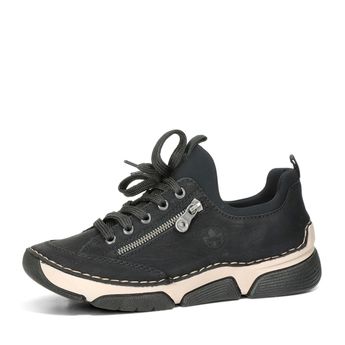
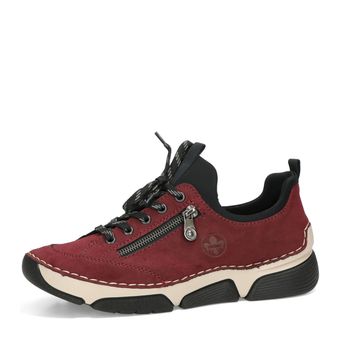
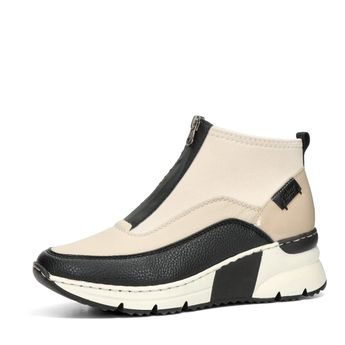
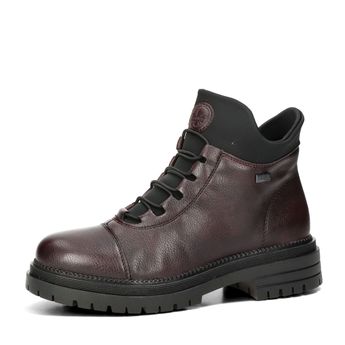
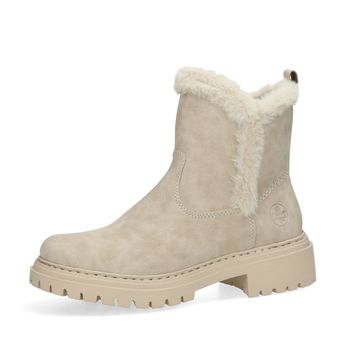
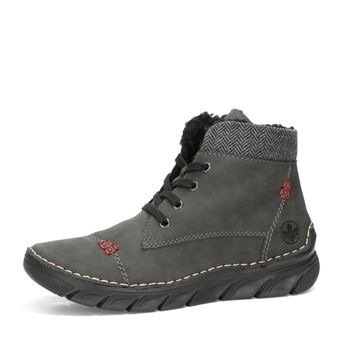
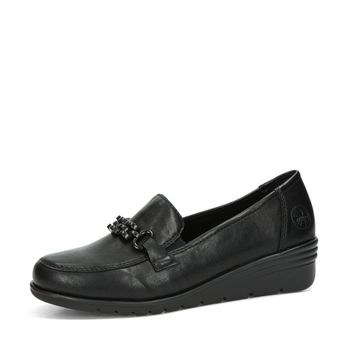
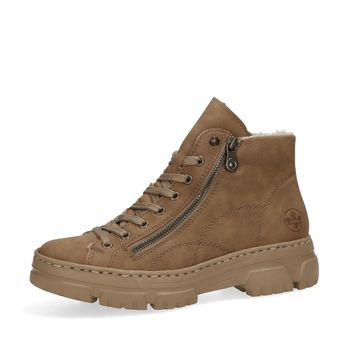
Brands such as Rieker or Tamaris can be a natural choice thanks to their lightness, flexibility, comfortable fit, and stable sole. Shoes like these help protect the feet from excessive strain while still looking refined throughout the day.













Men’s walking shoes: stability and durability
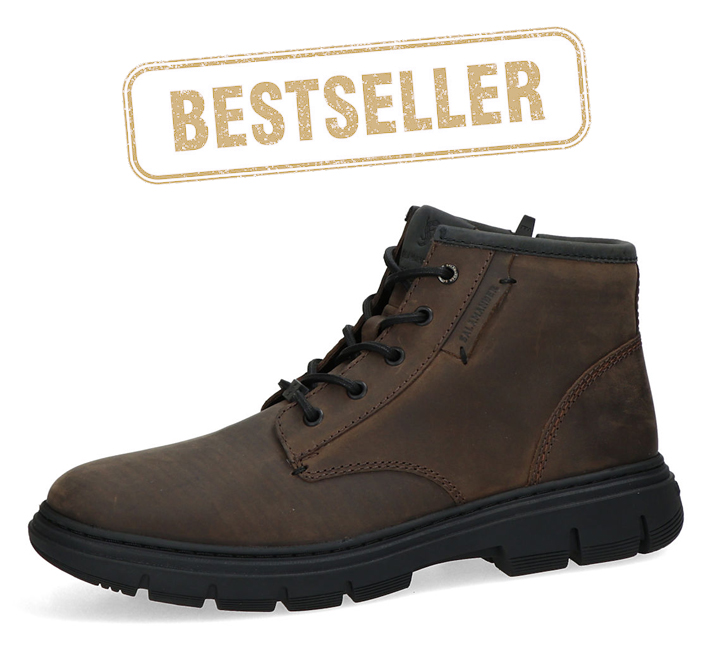
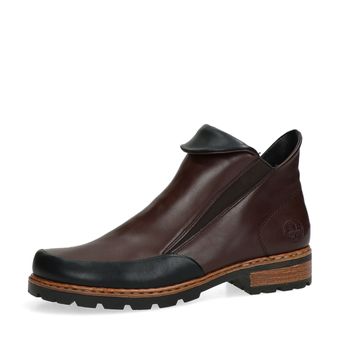
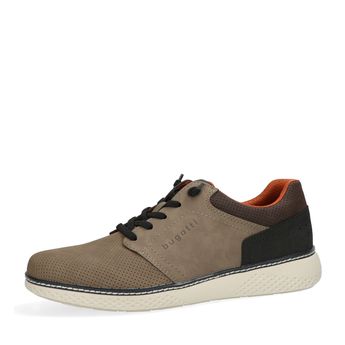
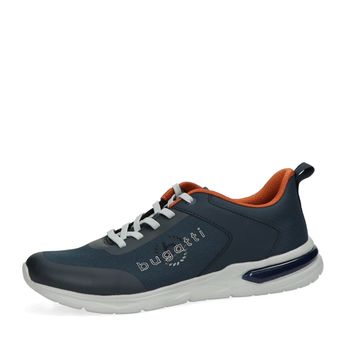
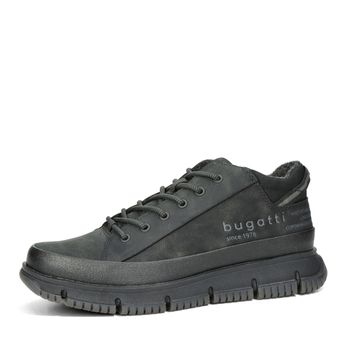
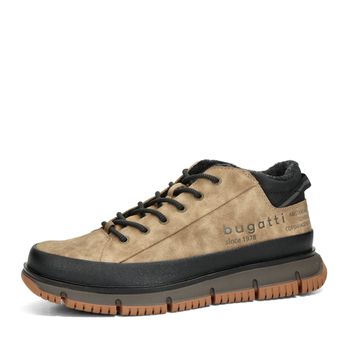
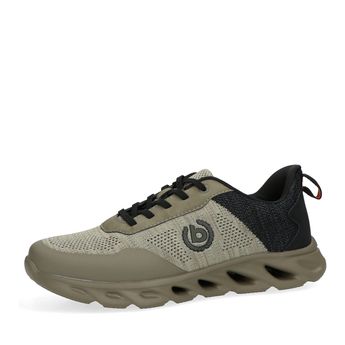
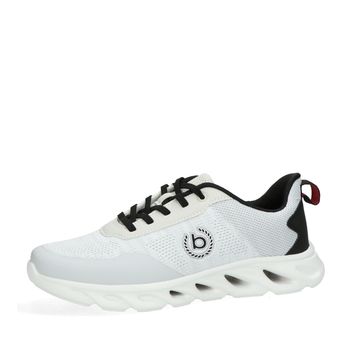
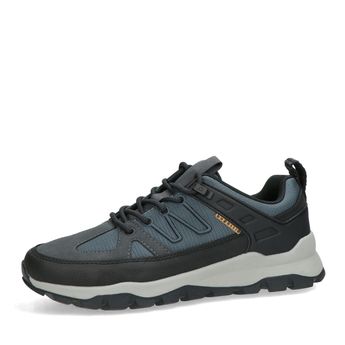
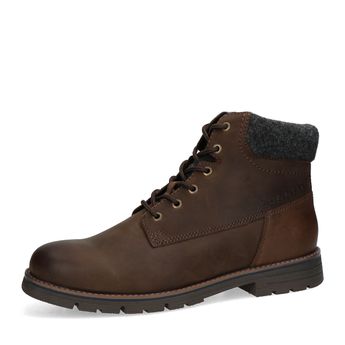
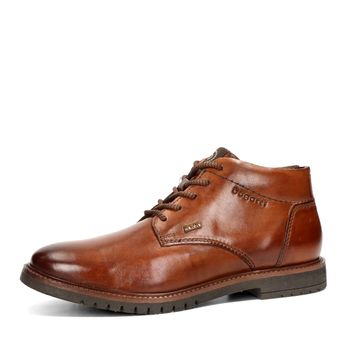
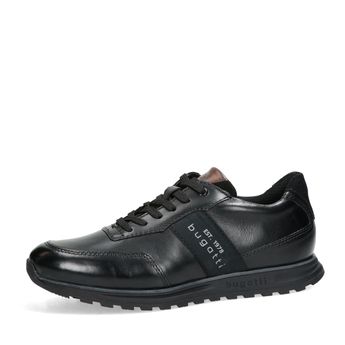
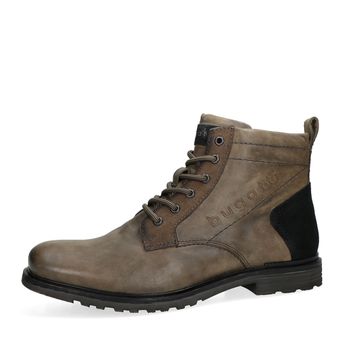
For men’s models, a sturdier construction and quality heel cushioning are usually key. A man’s foot is often wider, and the impact when stepping can be greater, which is why it makes sense to choose men’s walking shoes that can handle all-day wear without unnecessary discomfort.
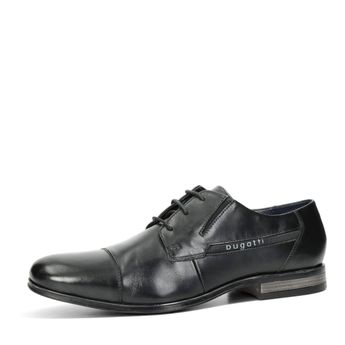
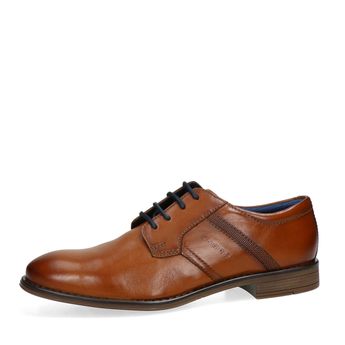
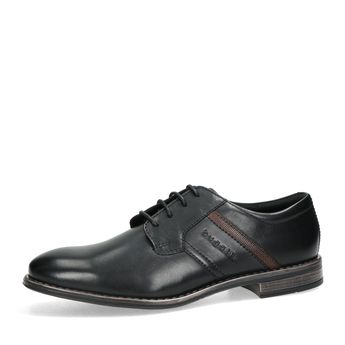
If you are looking for comfortable men’s walking shoes, focus on stability, durable materials, and easy on-and-off wear. Brands such as Bugatti or Skechers can be a practical choice, combining a casual look with a functional midsole and everyday comfort.













Fast walking and active movement: when you want to support your fitness
If you walk at a brisk pace, you need lightweight, flexible footwear with more noticeable cushioning. For shoes for fast walking, a smooth heel-to-toe transition and overall foot stability play an important role.
Fast walking shoes should be:
- lightweight,
- breathable,
- stable around the heel,
- flexible in the forefoot.
This helps minimise joint strain while supporting natural movement. If you walk longer distances every day or move at a quicker pace, sportier models with a softer insole and quality cushioning may also be a good option.
City streets, asphalt, or nature?
Walking on asphalt and in the city
Hard surfaces increase stress on the joints, heels, and knees. If you are looking for the best shoes for walking on asphalt, focus on a quality midsole and good heel cushioning.
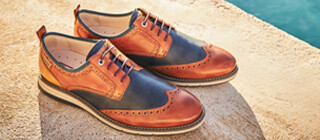
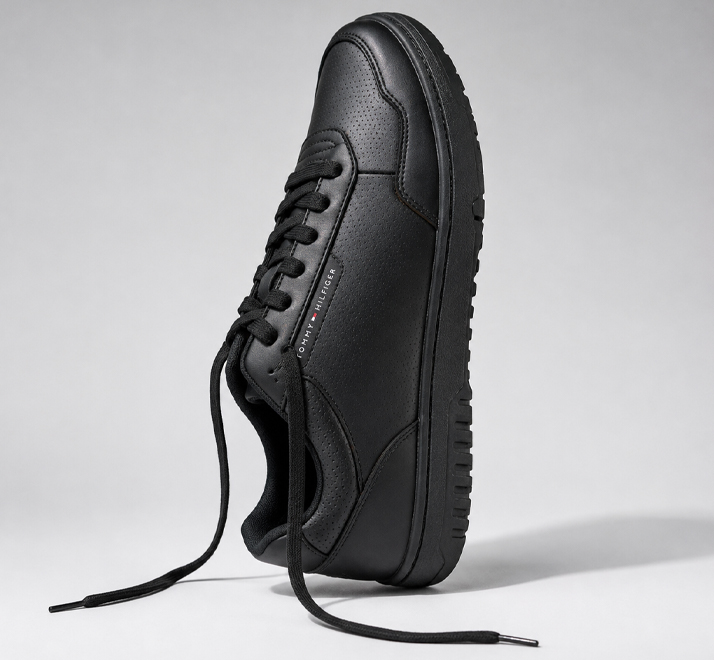
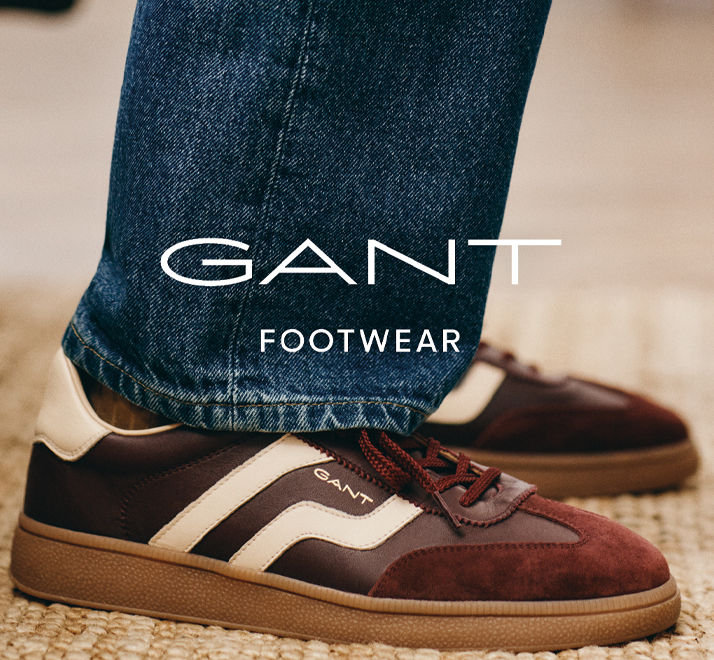
For everyday city wear, leather sneakers or lace-up shoes with a flexible sole are a practical choice. They can handle longer walks without putting unnecessary strain on the feet.
Walking in nature
If you often walk off paved roads, it is worth choosing a model with a more pronounced outsole pattern. This type of footwear improves grip and increases stability on uneven ground. A sturdier construction can also provide better ankle support.
Can you wear running shoes for walking?
Yes, in many cases you can. Running shoes usually offer stronger heel cushioning, which can be an advantage for long walks. If you do not want to buy several pairs, more versatile running models can be a practical solution.
For everyday city use, however, quality walking sneakers with an ergonomic insole and flexible sole are often enough. It is important that the shoe fits well in the heel and does not press on the toes.
What to focus on when choosing walking shoes
When trying shoes on, pay attention to these factors:
- enough room for the toes,
- a stable heel without slipping,
- a soft, anatomically shaped insole,
- a flexible yet supportive sole,
- quality material such as leather or breathable textile.
Well-chosen footwear is not a short-term trend, but a long-term investment in comfort. If you feel stable and pressure-free while walking, it will show not only in your feet, but also in your overall energy throughout the day.
How to choose the right walking shoes
| Parameter | Why it matters | Recommendation |
|---|---|---|
| Cushioning | Reduces pressure on the heel, knees, and spine | Look for a quality midsole and a soft heel area |
| Arch support | Improves stability and helps prevent fatigue | Choose an anatomically shaped insole or arch support |
| Toe room | Reduces pressure, rubbing, and risk of deformities | Pick a shoe with a roomy toe box |
| Stable heel | Prevents slipping and improves balance | Choose a firm heel counter |
| Sole flexibility | Supports a natural walking motion | The sole should flex in the front and stay stable in the middle |
| Shoe weight | Lighter shoes reduce fatigue on long walks | Prefer lightweight materials and construction |
| Breathability | Increases comfort and reduces sweating | Choose leather or breathable textile |
| Surface type | Different surfaces require different soles | More cushioning for asphalt, more grip for nature |
FAQ – Frequently asked questions
What are the best shoes for walking?
The best walking shoes are those that match the shape of your foot and the surface you walk on most often. Good cushioning, an anatomical insole, and a stable heel are key.
Are running shoes good for walking?
Yes, especially because of their stronger cushioning. However, if you mainly walk in the city, light walking shoes or comfortable lace-up shoes may be a more practical choice.
What shoes are best for walking on asphalt?
Shoes for walking on asphalt should have a quality midsole and good shock absorption. Hard surfaces put a lot of strain on the heels and knees, so cushioning matters.
Are barefoot shoes suitable for walking?
Yes, barefoot models exist. However, they are not ideal for everyone, and switching to them should be gradual, especially if you mostly walk on hard surfaces.
How can I tell if walking shoes are high quality?
High-quality walking shoes usually have solid construction, a flexible sole, a comfortable insole, and they do not pinch even during longer wear.


