



















































































Shoelaces are old like humanity itself
Shoelaces have always been with us here, and probably few of us can think about where they actually came from in our lives (and shoeboxes). They are simply a matter of course, and even measure the rate of maturity in childhood: As a 6-year-old, we should be able to tie laces without help as proof that we have properly coordinated small movements and that the head works exactly as it should.
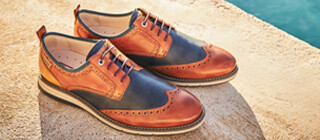
Of course, any shoe can be made today without the classic lacing. Nevertheless, laces are what some types of shoes simply belong to. Can you imagine "oxfords" without laces? Sports sneakers, although they also work in a slip-on module, demand stylish and functional ties. Men's formal shoes without lacing will not survive!
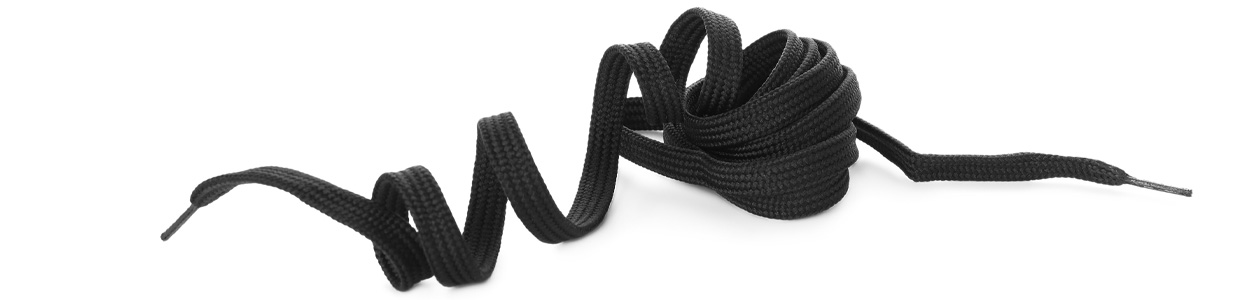
History says that the first lacing shoes were already Areni-1 shoes. It is a one-piece leather shoe, which after 5500 years was found in 2008 in the Armenian cave Areni-1 and has a primitive lacing of straw and leather. The ice man Ötzi allegedly also wore shoe functionally two centuries later. Its laces were made of linden bark. The ancient Greeks and Romans fastened their sandals with leather laces. Just as curiosity - in those days it was customary to make fun of people who tied their shoes badly. These cultures absolutely hated negligence in appearance and believed that it revealed something about man.
SHOELACES THAT PRESENT SOCIAL STATUS
In the Middle Ages, we see progress in this area of footwear as well. The shoes already have hooks and eyelets with which the laces at the front or on the side are stretched. In the Elizabethan period, laces testified to social status (note, as was the case with heels). The rich wore leather boots with a buckle and ribbon laces, the working „little people“ wore laces of rawhide.
Although the shoelaces are as old as humanity itself, on March 27, 1790, the Englishman Harvey Kennedy had them patented as his invention. What Kennedy actually invented were not laces but so called aglet. Aglet is a small plastic or metal case at the end of the lace and its purpose is to protect the lace from fraying and makes it easier to put on shoes. Aglet used to be written "agility" at the time, which comes from Old French and the term "aiguillette". The aglet shoelaces were a hit anyway.
COMFORT IN "LOCKED" SHOELACES
The golden age of lacing lasted until the middle of the 20th century. In 1968, PUMA was the first company in the world to come with velcro sneakers. The new style took hold relatively quickly, it was especially popular with parents for their children for quick and comfortable footwear. After only three decades, however, the biggest boom and this style goes to the background due to its voluminous and outdated appearance. Customers no longer wanted to limit themselves to Velcro but also to return to classic lacing. This is the period that we also know - the so-called locked laces, laces that are adjusted so that they do not need to be laced, but are elastic and the shoes are fastened by simply tightening or loosening them. Let us mention the fact that while in the past laces were made of cotton, hemp or leather, today they are mainly synthetic materials, polyester and nylon to prevent damage caused by friction.
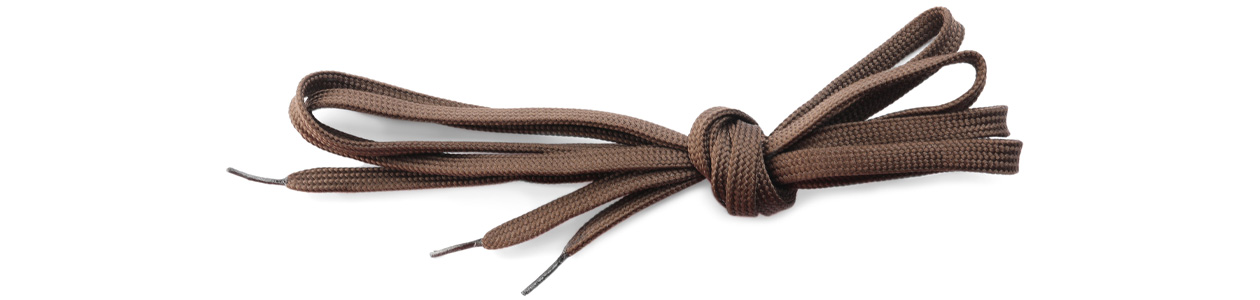
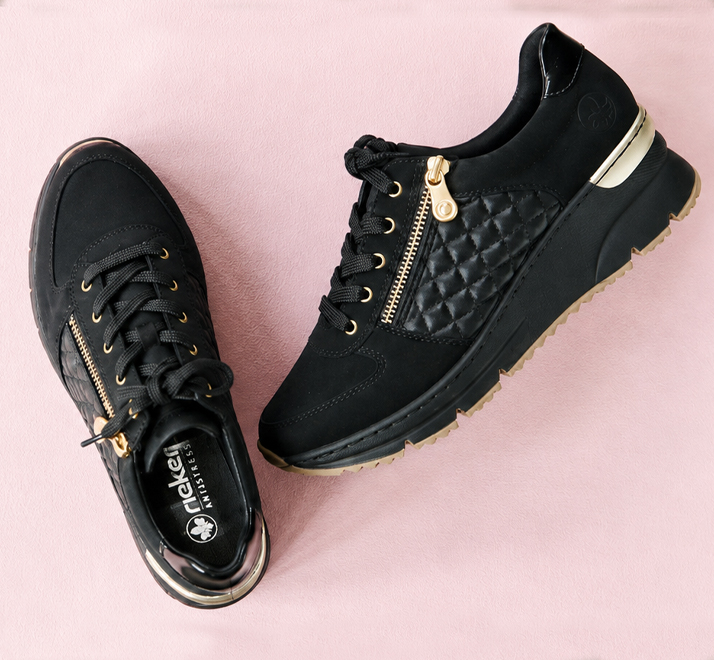
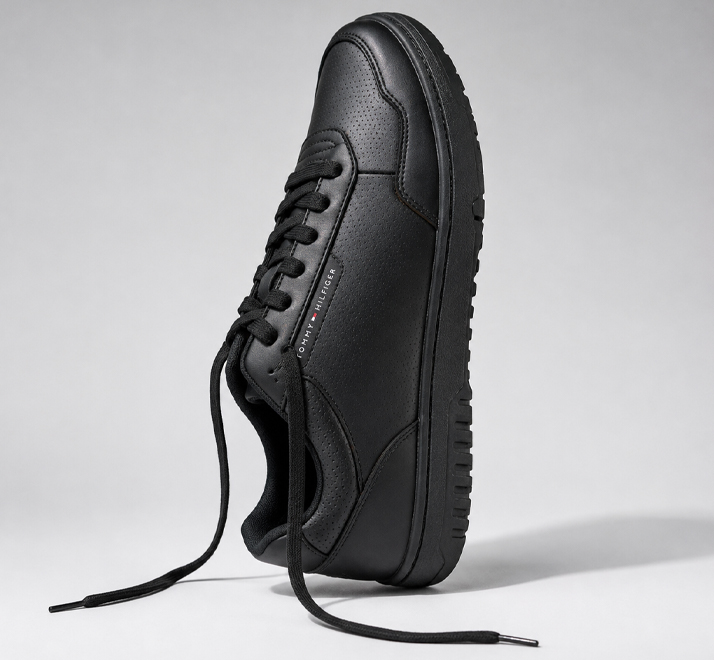
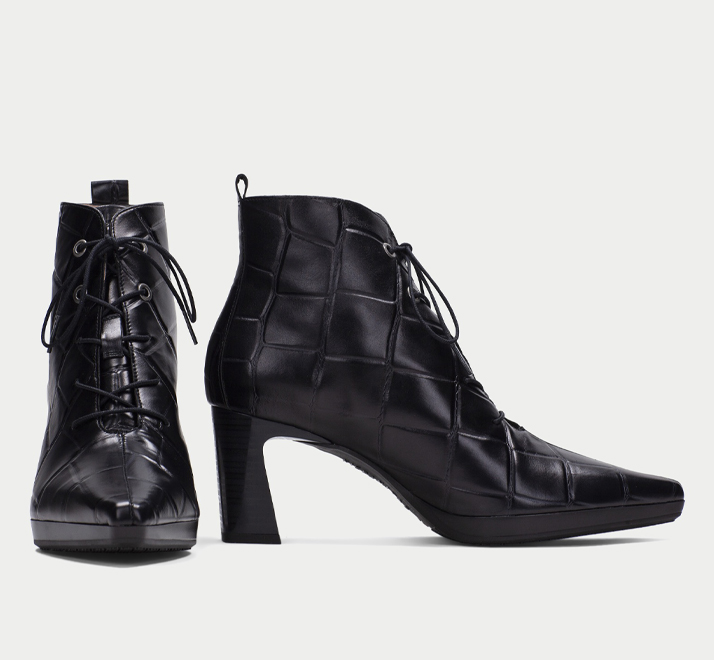
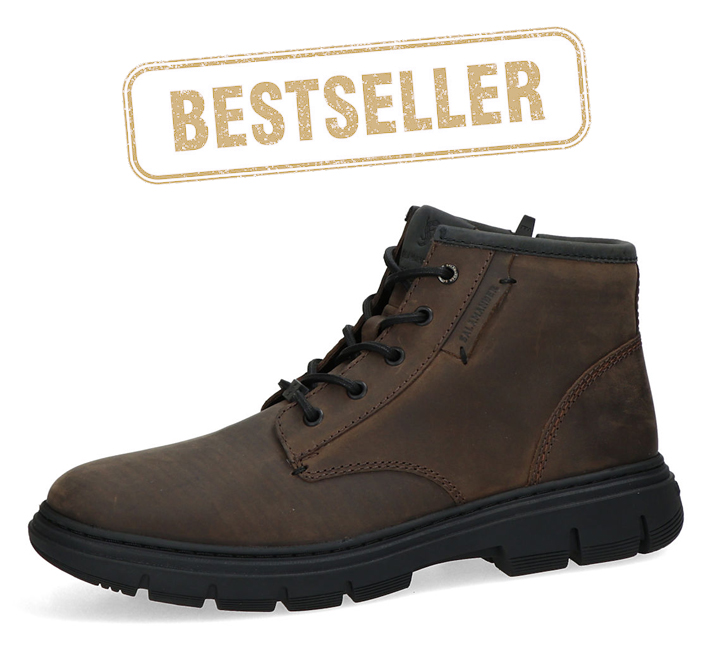
Be inspired by the models of lacing shoes - you will find them in the spring and summer seasons, they are popular in autumn and winter. Women's sneakers, men's sneakers, low shoes, ankle boots and boots. The next time you wear it, you may remember how useful an ordinary aglet is :)


