
















































































The leather sole is an exclusive article
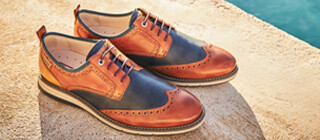
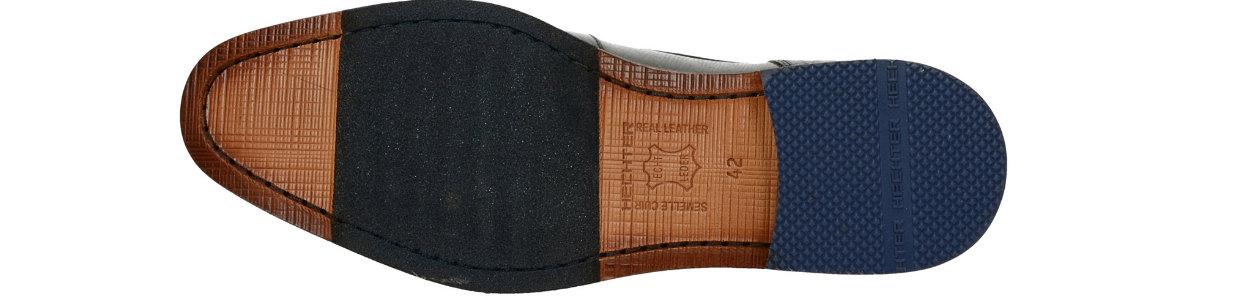
When you decide to buy new shoes, one of the selection criteria is the material composition of the upper (synthetics, textiles, leather), but we can not forget, that the sole also plays a big role in the life of your shoes. The leather sole is one of the exclusive choices.
The soles are the most stressed underparts because they come into contact with the surfaces we walk on. Their task is to protect the foot from the cold floor, hot sidewalk, uneven terrain, from sharp objects on the road ...
The beginnings of shoemaking were not significant for the sole. The shoemakers did not make themselves headache out of the sole, it was made of solid hard leather. It was not very flexible or practical. Over time, with the development of footwear, new ways began to be sought here as well. Producers began to think about the properties of the material used and to think about the purpose for which the shoes were intended.
The leather was impregnated in various ways, nails and metal fittings were inserted to make it slip less. Only then came the golden age of rubber. As leather was difficult to access during World War II, rubber, such as that used in car tires, began to be inserted into the shoes. Today, rubber soles are a matter of course. In addition to them, there are also other materials that give the shoe specific properties - moisture resistance, thermal insulation, anti-slip. The relevant sole production processes are highly technological and have almost nothing to do with the craftsmanship of the former shoe workshops. Can you imagine what all your leather sole went through before it reached you?
The leather sole matures for months!
The market share of leather soles has been steadily declining over the last decades. There are also huge differences in quality in the case of processed leather soles. These are reflected, among other things, in the thickness of the material and, above all, in its qualitative properties. Here, too, leather is not like leather. Lower quality leather soles also break quickly, wear out quickly or cause moisture in the feet, as is the case with non-leather materials.
A quality leather sole is not a mass product. It is an exclusive item that customers, especially in the upper price segment, value.
The production of a leather sole can take place in several processes. The basis is the treatment of the raw animal skin and its coloring. The first method of production is to clean the skins, add chromium and dye so that the skins are "roasted" by adding dyes of plant origin.
The second method is dyeing in rotating barrels. Plant extracts for dyeing are added to the process in barrels.
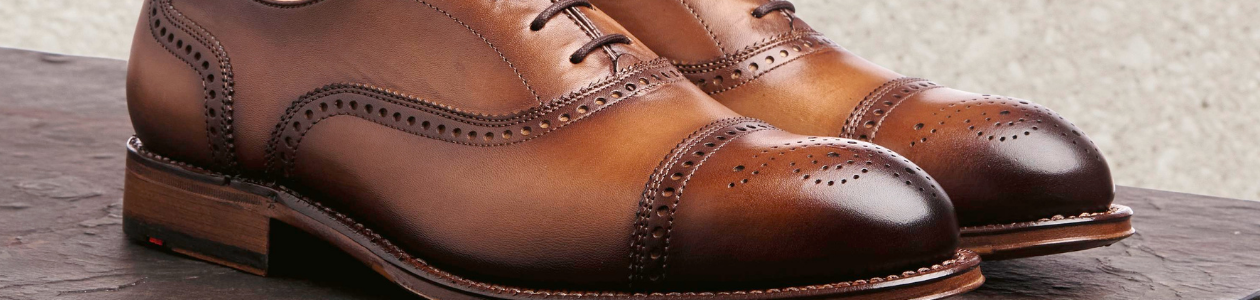
Both of these methods are acceptable and of good quality. However, not as effective as the old leather treatment method used today by the world's most famous leather sole manufacturer, JR Rendenbach, in Germany. In the Trier tannery workshop, the skins of older, mature animals are processed because the skin structure of the old animals is fully developed and ready to withstand external influences. It is resistant to abrasion, is dimensionally stable, breathable and thanks to the old method of processing, when the skins are placed in pits with coloring plant extracts for several months, the skin is also equipped to kill bacteria and fungi that could eventually settle in it.
Old leather processed by this process has a deodorizing effect and is made without harmful substances, so it is also suitable for allergy sufferers. Understandably, quality costs something and "old coloring" is a very lengthy process. The skins remain preserved in the pits for five to twelve months without any chemicals and without mechanical injection of dyes into the structures. JR Rendenbach uses oak, spruce and mimosa bark and Valonea fruit for dyeing. Valonea comes from Turkey, mimosa bark is grown in Africa. Spruce and oak bark come from the Black Forest in Germany and Luxembourg.
Because the skin stays in the pits for a long time, the color factors penetrate the fibers very slowly. They are not pushed into the structures as with other production methods, so it is unlikely that any waste components will be pushed into the hides. The method of dyeing in the pit also has other positives - the skins left in this way also acquire water-resistant properties. As the sole gets older and more worn, they even improve. The more often the shoes get wet and then dry again, the better the leather of the sole. Maintenance effort is extremely low: it is enough to let the soaked shoes rest for 24 hours to allow the soles to dry.
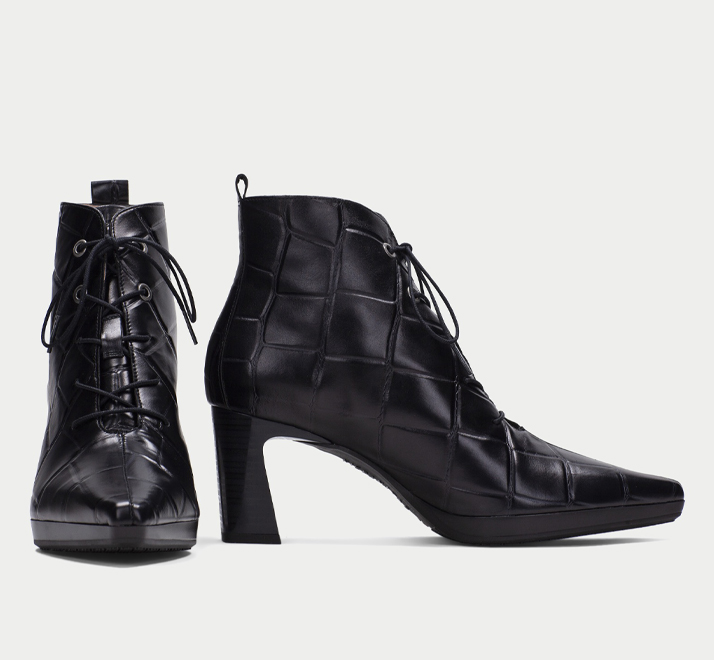
Leather soles are found mainly in men's formal shoes, women's pumps and other formal footwear. It expresses quality, durability and gentility - what more would you wish for your feet?


