





































































There is no leather like leather- Do you know what you wear?
Leather shoes are ideal shoes for most customers. It is said that the better the upper of the shoe, the higher the price. However, it is not leather like leather. When you read in detail the material composition of your new model, you will learn a lot of interesting things. What do the pictograms reveal to you?
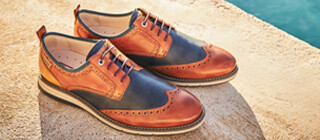
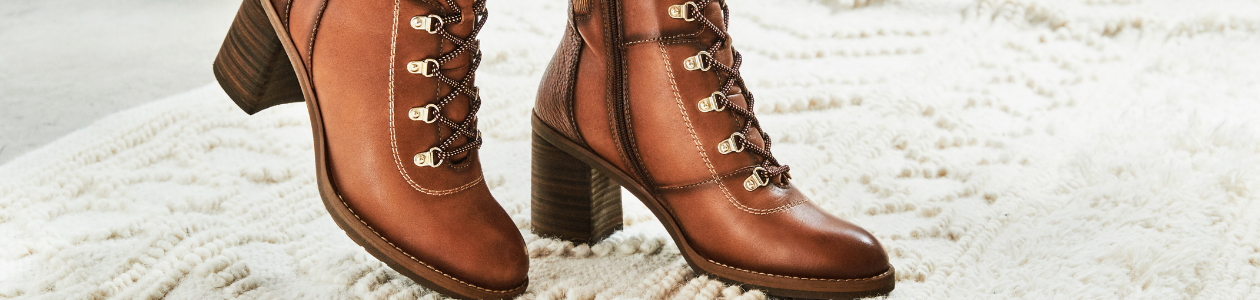 First of all, let's clarify what the upper is: It's the first piece of footwear you'll notice. It is the upper, visible part of the shoe, which will reveal you - as a promising wearer – everything: what purpose the shoe is intended for, what material is used, design, cut. It is clear from the top whether it is sports shoes, formal shoes or leisure shoes.
Leather, natural leather, is considered to be a material with perfect properties for the footwear industry. At the same time, we distinguish natural hides as pork, beef, goat, veal or reptiles (crocodile). Natural leather has excellent absorbency, is breathable and soft, so it also easily adapts to the foot and the production hoof. Natural leather can be further divided into subcategories:
Smooth face leather - has a fine structured surface with small pores. The surface can be matte or glossy, depending on the workmanship. It is soft and sticky. The leather is tanned by adding chromium and recolored. The surface is trimmed, which means that the pores are closed by many thin layers. As a result, the leather shoe is almost untouchable by moisture and dirt. Of course, provided that the footwear is treated with suitable footwear.
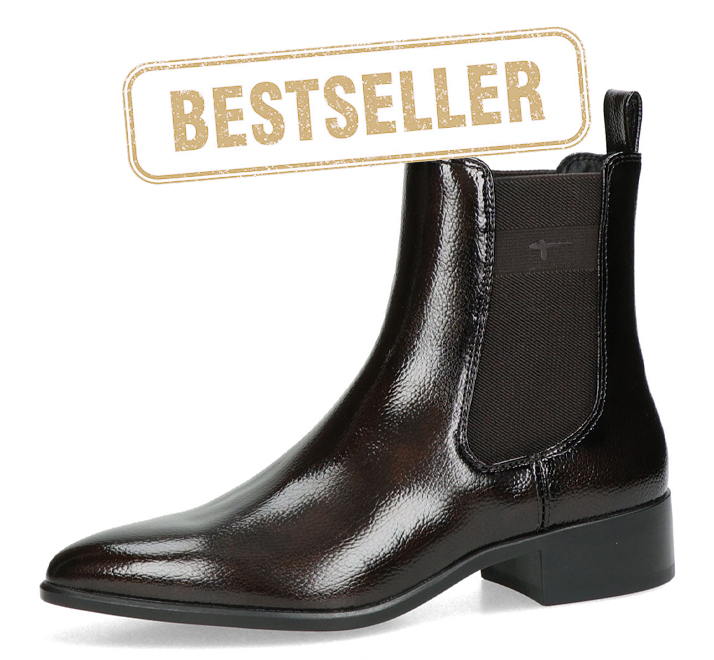
Varnished leather - as the name implies, it is leather with a high-gloss smooth surface after varnishing. Such upper material is very sensitive to mechanical damage, cold and moisture.
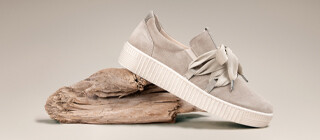
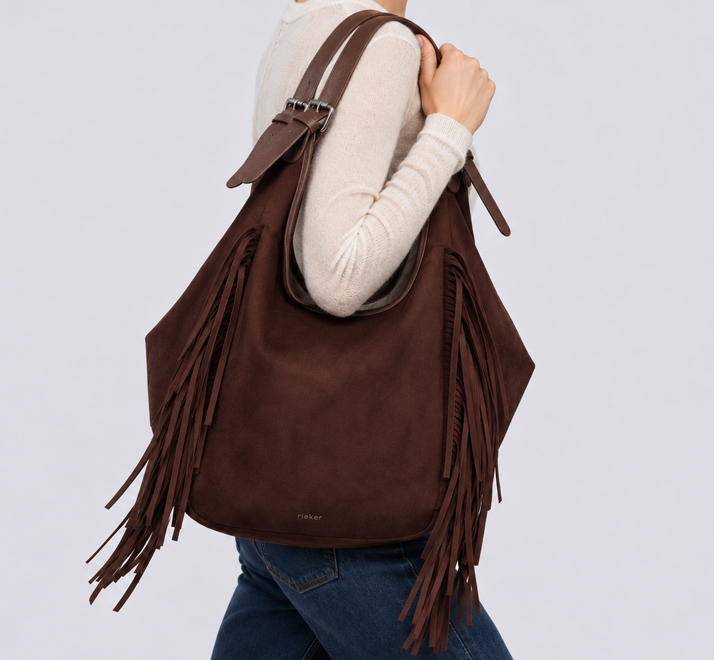
Suede (velor) - leather is sanded on the back, longer hair remains on the surface. It is also not suitable for humid environments, but its durability is higher compared to the brother - nubuck.
In the case of suede, we are talking about a rough surface. The leather, obtained directly from the "meat" side, is treated with sandpaper after medium drying. Then it can be colored as desired to create the perfect look.
For the aforementioned sensitivity to weather - compared to smooth leather - suede should be treated with an impregnating spray before the first wear. Coarse dirt can be easily removed with the help of fine brushes or sponges with a little water. Then the shoes should be placed in a warm place to dry. Make sure that the shoe has not lost its original shape.
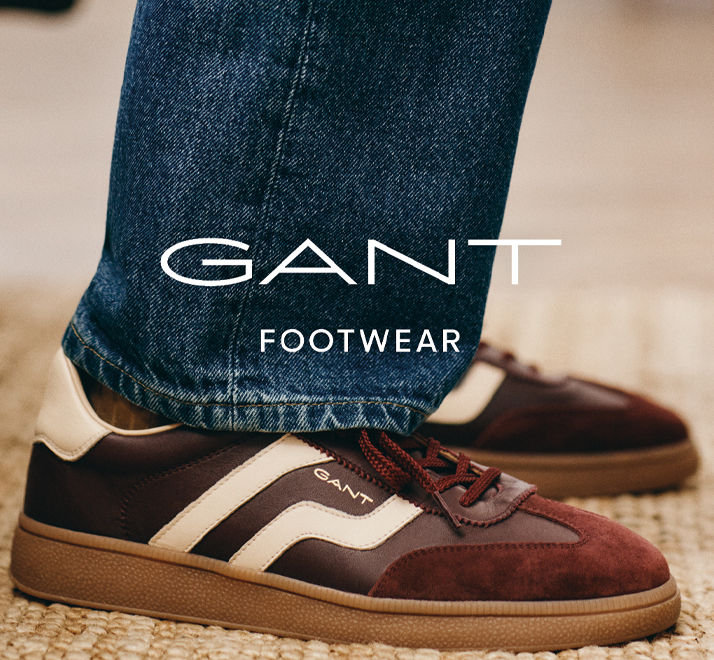
Suede often appears in sneakers or work gloves. In both cases, the protective function and strong breathability of this type of leather play a role. Suede has well open pores, sweat can migrate very easily. Moisture wicking is desirable for sneakers.
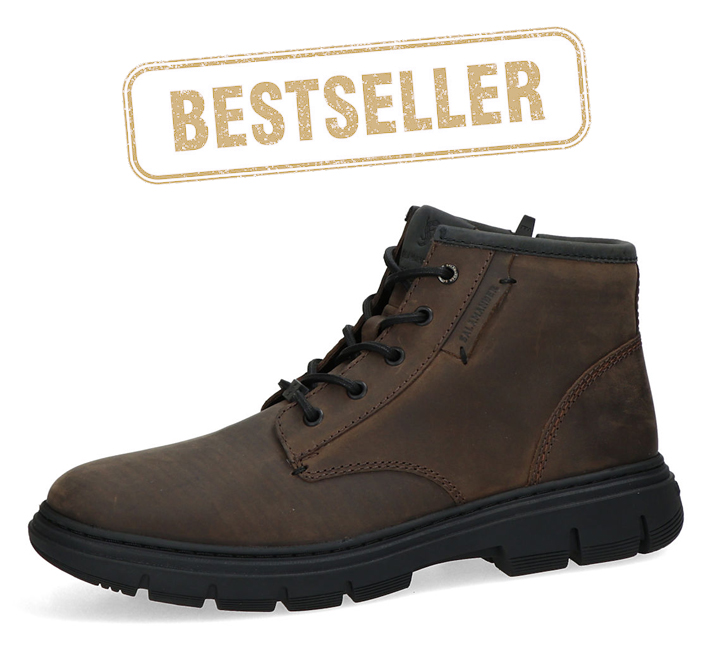
Nubuck - leather is sanded on the face. Nubuck has a shorter hair, touching it with a finger changes its structure. Nubuck is more matte and softer compared to suede.
Sanding gives the nubuck a velvet surface. This makes the leather very soft to the touch and increases its breathability. Nubuck, thinned by grinding, is significantly more sensitive to adverse effects from the outside. Its resistance to UV radiation is also significantly reduced and the colors fade more easily (this can also happen with suede). This may be due to abrasive dust or excess dye.
Here we can also mention the bottom leather, which is not used for the upper but for the soles of formal footwear. It is sensitive to damp and uneven surfaces, so formal shoes are also recommended exclusively for "indoor" use. On the contrary, coated leather is used for outdoor, outdoor sports shoes. It is a leather that has a thin layer on the front layer, e.g. polyurethane coating. It increases the life of the shoe, which is also easier to maintain.
So if you choose leather low shoes, suede sneakers or nubuck ankle boots with us, find out about their proper treatment. We will be happy to advise you on how to do it in the Robel Shoes & Accessories stores.


